In this guide
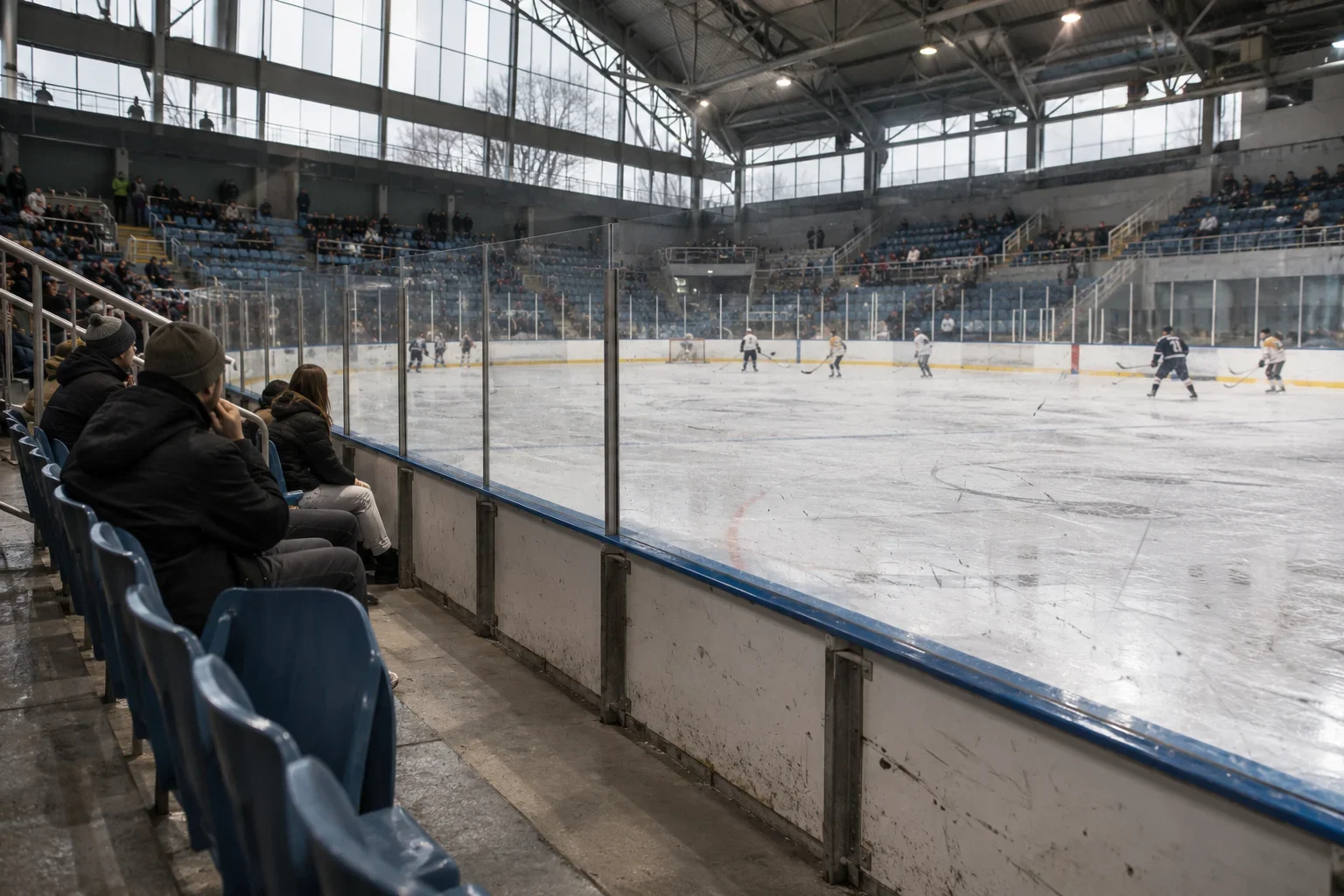
Plan an NHL city break by confirming a home game first, then choosing travel and accommodation that work with both sightseeing and the return after hockey. Compare the complete trip cost before committing, and settle each traveler’s document requirements early if your itinerary crosses between Canada and the United States.
The strongest plan gives the game a protected place in the itinerary without making every other activity depend on a tight connection. Toronto, Vancouver, Seattle and Detroit are useful candidates to investigate. Your best choice depends on the fixture you want, the journeys available for your dates and how comfortably your group can combine hockey with time in the city.
Choose the game before committing to the trip
Start with a specific fixture in the home team’s official schedule. Record the home team, opponent, actual venue, destination-local date and listed start time. Check that the listing describes the event you intend to attend; a matchup appearing in a search result is not enough to establish where it takes place.
Keep tentative options separate from the game around which you are ready to book. If a detail remains unconfirmed, make that uncertainty part of your booking decision instead of quietly treating it as settled.
Build travel around your priority
Compare arrival options against the game, including time to reach your accommodation, handle luggage and get to the entrance. Choose a buffer that reflects the consequences of a delay. If missing the game would undermine the whole trip, consider arriving on an earlier day.
Check departure plans too. An early onward journey may affect how much you enjoy the evening and what you can realistically do afterward.
Compare cities through the whole journey
Choose between destinations by tracing the complete journey: arrival point, accommodation, sightseeing, arena entrance and accommodation again. Compare an actual address and fixture in each city rather than judging broad labels such as downtown.
| Candidate | Starting point for comparison | What to establish next |
|---|---|---|
| Toronto | Consider the Entertainment District as a nearby base for Scotiabank Arena. | Check the chosen hotel’s entrance, airport journey and route after hockey. |
| Vancouver | Rogers Arena is on the edge of downtown, at the east end of False Creek. | Compare specific hotel addresses with the arena entrance and your sightseeing priorities. |
| Seattle | Identify a suitable home fixture and confirm its venue. | Test arrival options and the evening return before choosing accommodation. |
| Detroit | Find a fixture that fits your available travel dates. | Compare the complete trip cost and the journeys needed for your other plans. |
For each candidate, sketch the same kind of stay: equivalent nights, a comparable ticket choice and a manageable sightseeing outing. This makes differences easier to assess. A cheaper flight deserves a closer look if its arrival time creates an awkward connection or requires another hotel night.
Choose a hotel for sightseeing and the evening return
Compare accommodation near the arena with accommodation near a transport connection that serves your wider itinerary. Neither approach is automatically better. Assess the actual journeys your group will make, including arrival with luggage and the return when everyone is tired.
Check the hotel entrance and the event entrance you expect to use. Trace the route between them, looking for crossings, steps or exposed stretches that may matter to your group. Verify accessibility details with the relevant providers instead of relying on a broad location description.
Before booking, establish whether the property can meet your arrival, departure and luggage needs, including any charges or restrictions. Do not build a sightseeing day around assumed luggage storage.
A useful deciding question is: would this accommodation still work if the game ended later than you planned? If the answer depends on one unverified connection, compare another location before committing.
Build a flexible city itinerary around hockey
Give the game day a simple structure: an arrival or settling-in period, one manageable outing, a meal and the journey to the arena. Choose sightseeing that can be shortened without losing something essential to you.
| Part of the trip | Planning approach |
|---|---|
| Arrival | Leave room for delays, luggage and check-in arrangements. |
| Sightseeing | Select one priority and keep additional stops optional. |
| Before hockey | Allow for a meal, travel and the event’s entry process. |
| After hockey | Decide whether an extra activity is still practical once the return journey is considered. |
| Following day | Place flexible activities here when departure arrangements allow. |
Check opening arrangements and any reservation requirements before relying on a particular attraction or meal stop. For poor weather, identify an indoor alternative and verify its access conditions separately.
If companions have different interests, agree on meeting places and how each person will return. Avoid making someone’s independent outing depend on access to another traveler’s phone, ticket account or transport booking.
Compare tickets and the complete trip cost
Begin with ticket channels linked from the team’s official information. Read the terms for the selected ticket and compare the final checkout total, recording the currency and any displayed charges. Keep the opponent, date, seat and quantity attached to each quote so you know what you are comparing.
Inspect the seating information for your chosen event. Ask about any advertised view restrictions and check whether the seats meet your group’s needs. If sitting together matters, establish that before payment. Do not assume that a higher price guarantees the experience you prefer.
Put admission beside the other costs
Build a trip budget covering tickets, accommodation, travel to the city, local journeys, meals and any activities you intend to book. Include luggage arrangements or other charges where applicable.
Compare flexibility alongside price. Record which bookings can be changed or canceled, the applicable deadlines and the amount at risk. A lower quote may be less useful if its conditions do not fit an unsettled fixture or travel plan.
Prepare for arena entry
Read the entry information for the selected event and establish exactly how you will access the tickets. Resolve account logins, ticket delivery and any permitted transfers before traveling. If companions may arrive separately, check how each person will obtain valid access.
Ask whether your ticket requires a particular app, account or presentation method, then prepare accordingly. Use the stated access process; do not assume a screenshot or printed copy will be accepted.
Check bag restrictions against what you actually plan to carry, including anything needed for health or accessibility. Establish a workable luggage arrangement before leaving your accommodation rather than assuming storage exists at the arena.
For accessibility needs, confirm the relevant entrance, seating arrangements and any assistance or advance arrangements required. Keep the event information and appropriate contact details available. Recheck unresolved points before departure, especially if your plan depends on an exception or a service that must be arranged.
Adapt sightseeing and arena access to winter weather
Use the forecast for your travel dates to plan clothing and outdoor activities. Review the walking portions of the day separately: sightseeing, the approach from transport, any wait before entry and the return to accommodation.
Scotiabank Arena is fully indoors. Still, check whether your chosen journey includes exposed stretches or an outdoor wait. An indoor destination does not establish the conditions along the route.
Choose layers and footwear suited to the forecast and your planned walking. Consider how you will manage wet clothing or extra layers during the outing, while checking that anything you carry meets the event’s rules.
Keep a shorter sightseeing option and an indoor alternative whose opening and access arrangements you have verified. If conditions make the original walk unsuitable, reassess transport and entrance access together. Replacing a long walk with a ride is only useful if the drop-off point and remaining approach work for your group.
Plan the journey after the final horn
Work backward from the hotel entrance to establish your return. Check evening service for the correct date and direction, including transfers, disruption notices and the walking needed at either end. Do not rely on a journey estimate prepared for another part of the day.
Allow for an uncertain departure time and the possibility of crowded exits or transport. If your route depends on a particular departure, establish what happens if you miss it before deciding the plan is workable.
Choose a practical alternative and check its requirements. That might mean another verified service, an agreed pickup arrangement or a different accommodation choice. Confirm any pickup location and how your group will find it.
Before entering the arena, agree on a meeting point and a communication plan if the group separates. Keep enough phone power for tickets and the return journey, and make essential accommodation details available without depending on one person’s device.
Check documents for a Canada–United States itinerary
Resolve border requirements for each traveler before committing to bookings that are difficult to change. Consult the relevant government authorities using each person’s nationality, residence or immigration status, and intended travel details. Do not assume that everyone in the group needs the same documents.
Check every international leg, including the ability to return home or to the country where a traveler lives. Identify any entry authorization, visa or supporting-document requirements that apply to that person’s itinerary, and verify document validity against the official instructions.
Match the check to the crossing mode
Research the actual mode you intend to use, whether air or a land crossing. Ask what must be presented for that journey and confirm the transport provider’s document requirements separately. Revisit the checks if you change how you cross.
If a traveler’s circumstances are unclear, obtain an authoritative answer before booking. Keep document planning distinct from game tickets: securing admission to hockey does not resolve permission to make the international journey.
Decide what happens if the plan changes
Before paying, read the change and cancellation conditions for each booking separately. Establish what the ticket terms say about a changed fixture, and check accommodation and transport terms for the same scenario. Do not assume one provider’s flexibility extends to the rest of the trip.
Consider three disruptions: the game changes, your arrival is delayed, or the return journey becomes unavailable. For each, identify the first action you would take, the relevant provider and any deadline that affects your options. Keep booking confirmations and contact details accessible.
Finish by settling the details that determine whether the trip works:
- Is the intended home fixture confirmed at the correct venue and local date?
- Can everyone access their ticket and meet the entry requirements?
- Do the hotel, luggage arrangements and evening return fit the group?
- Are weather alternatives and any border documents resolved?
- Are the total cost and booking conditions acceptable?
Once these points are settled, add optional sightseeing around the space that remains. The result should be a trip you can enjoy even if you need to adjust part of the day.