In this guide
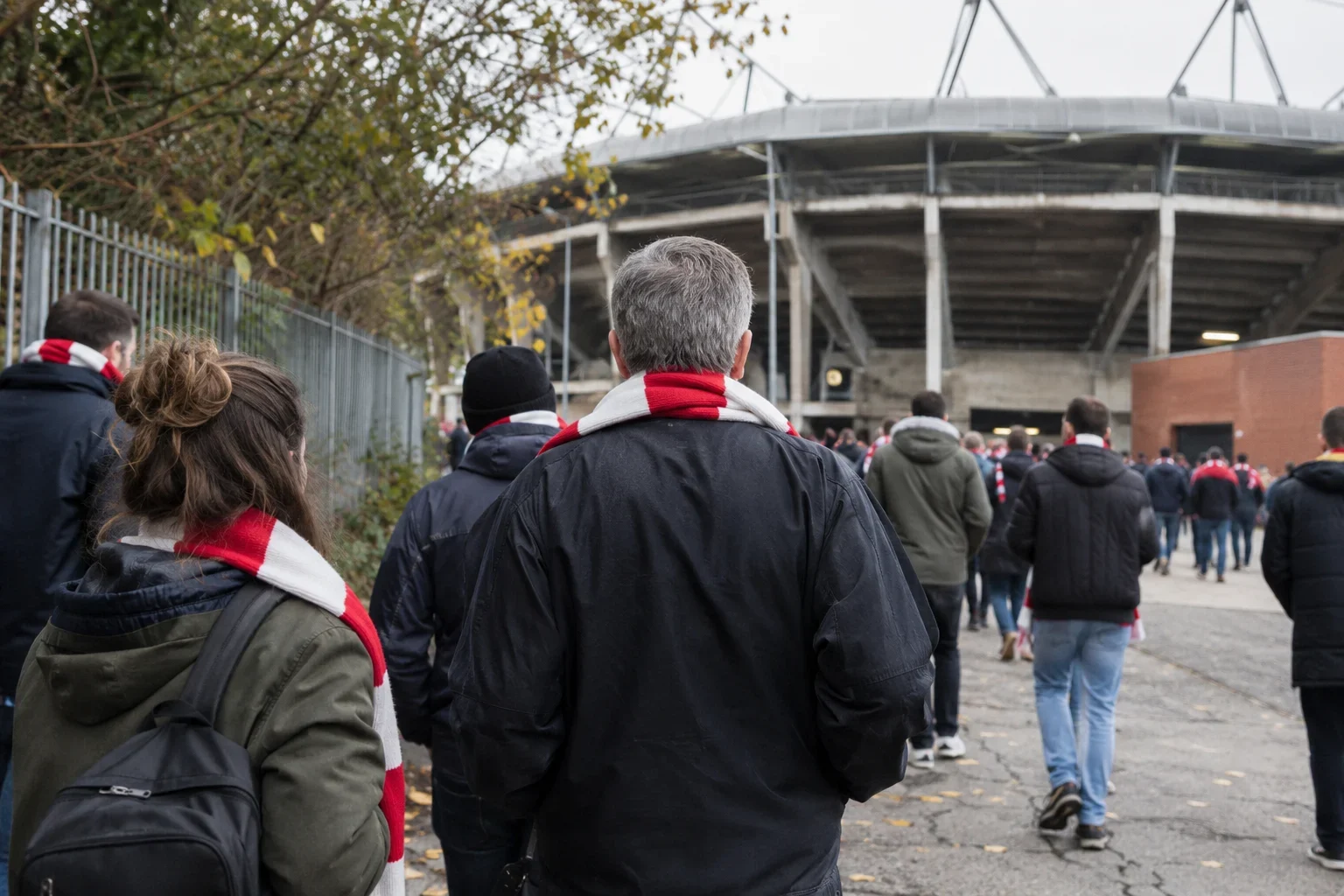
Start an MLS away-game trip by confirming the fixture, exact stadium and local kickoff time, then investigate the ticket arrangements that apply to you. Compare accommodation and transport only after those essentials are clear. A useful itinerary should get you to the correct entrance with room for delays and provide a realistic way back after the match.
Work through the trip as a connected journey: departure point, arrival point, hotel, stadium and return departure. For each booking, record what is confirmed, what remains conditional and what you could change. This makes it easier to judge whether a cheaper fare or hotel actually improves the whole weekend.
Confirm the fixture, venue and local kickoff
Use the league’s and participating clubs’ official match information to establish the date, opponents, venue and kickoff. Resolve conflicting details before making bookings whose cancellation terms you cannot accept. Save the exact stadium name and address rather than relying on a city name in a travel search.
Record kickoff in the destination’s local time, then check how your calendar displays it. For travel across time zones, label transport departures and arrivals with their respective local dates and times. Check whether an overnight journey changes your arrival date before choosing the first hotel night.
Build the schedule backward
Choose an intended arrival at the stadium entrance after checking any published arrival instructions. Work backward through the final walk, local transport, hotel stop and arrival at the airport or station. Add a buffer that reflects your tolerance for missing part of the match, without treating that buffer as a guarantee.
Recheck the fixture before committing to major bookings and again before departure. If details change, review the entire itinerary: a different kickoff could affect your arrival plan, accommodation needs and journey back.
Find the right away-ticket route
Begin with your club’s official information for the chosen fixture and identify whom to contact about visiting-supporter arrangements. If an away-travel or ticket program is advertised, establish its actual terms before relying on it. Ask about eligibility, request limits, allocation method, deadlines, payment and delivery. Clarify whether submitting a request confirms anything or simply registers interest.
Distinguish a ticket request from a confirmed purchase, and distinguish a match ticket from any travel package. If transport or other services are mentioned, ask exactly what the price covers. Keep the confirmation and instructions together so everyone in your group understands their status.
What if you are not eligible?
Investigate any other seating offered through the host club’s official ticket channels. Ask whether the proposed section is suitable for visiting supporters and whether any relevant conditions apply to clothing, entry or group seating. Do not assume a ticket elsewhere includes access to a visiting-supporter area.
For a group booking, confirm the number of tickets actually secured, whether seats are together and how each person receives access. Check any transfer restrictions before making one person responsible for everyone’s tickets.
Locate the stadium before choosing accommodation
Plot the exact stadium address alongside your arrival airport or station, potential hotels and return departure point. Once an entrance is assigned, use that location for the final approach. Compare distances along routes you could actually take, rather than judging a hotel by its apparent closeness on a map.
Staying near the venue may suit a match-focused visit if you verify a workable route between the accommodation and stadium. Staying near other weekend activities may better suit a longer trip if the match journey remains manageable. Compare both options using the same criteria: total cost, number of transfers, luggage arrangements and return transport.
Check the hotel’s role in the itinerary
Ask whether check-in works with your expected arrival. If you need to leave bags before check-in or after checkout, confirm whether the property offers that service and whether a charge applies. Do not build the day around an unconfirmed arrangement.
Assess any walking route for your group’s needs, including distance and accessibility. Check route information and seek local guidance where necessary. A short map distance alone should not decide the booking.
Compare travel distance and the complete journey
Compare each option from your starting point to the stadium entrance, including any hotel stop. Record route distance where it helps you assess driving effort or walking demands, but judge feasibility using the complete sequence of travel, waiting and transfers.
| Option | Include in the comparison | Verify before booking |
|---|---|---|
| Flying | Airport access, check-in allowance, flight, arrival procedures, baggage collection if applicable, and onward travel | The connection from the arrival airport to your hotel or stadium |
| Driving | Road route, planned stops, any border crossing, parking and the final walk | Parking arrangements, relevant charges and the return driving plan |
| Public transport | Travel to the first stop, scheduled services, transfers, waiting and the last leg | Operating dates, connection feasibility and service after the match |
Read the return journey as a separate itinerary. Check the relevant departure times and conditions instead of assuming the outward journey can simply be reversed.
Choose a backup you can explain in concrete terms: where you would go, how you would book or access it, and what it would cost. If no workable alternative is confirmed, consider adjusting the main itinerary before paying.
Research travel across the U.S.–Canada border
MLS is a professional soccer league spanning the United States and Canada. If your itinerary crosses that border, investigate requirements for every traveler and for both directions. Start with the relevant government immigration and border guidance, using each person’s citizenship, immigration status and method of travel.
Check which identity and entry documents are required, whether any advance application applies, and whether your proposed documents are accepted for the crossing you intend to make. Treat the return journey as its own question, including any conditions connected to where you live or your current immigration status.
What should the group establish?
Each traveler should resolve their own requirements before the group commits to bookings that depend on everyone traveling together. If anyone’s circumstances need individual clarification, seek it from the relevant authority. Do not use another supporter’s successful trip as confirmation that the same requirements apply to you.
Allow room in the itinerary for uncertain border-processing time. Avoid making the match dependent on the shortest possible crossing, and check what you could change if processing takes longer than planned. For an itinerary through another country, investigate that part of the journey separately.
Plan stadium arrival and the journey back
Use the instructions attached to your ticket and the venue’s current visitor information to plan the final approach. Check the assigned entrance, any visiting-supporter directions, bag restrictions and ticket-access requirements. If something is unclear, resolve it before choosing where to park, leave luggage or meet your group.
Confirm accessibility arrangements directly for the ticket and entrance you intend to use. Describe the assistance or route information you need, and ask how it connects with your arrival method. Do not assume a general map answers questions about the complete journey to your seat.
If driving, verify the parking location, booking requirements where applicable, and route from the vehicle to the entrance. If considering rideshare, check whether designated pickup or drop-off instructions apply and whether the service suits your plans.
Make the return plan specific
Identify the departure point, connection and final destination after the match. Allow for the possibility that the game or stadium exit takes longer than your initial estimate. Agree on a meeting point and decide what to do if someone becomes separated. Keep the backup’s booking details accessible rather than relying on finding an option after the planned connection is missed.
Compare total costs and disruption options
Build a budget for the complete trip before comparing headline fares. Include only charges that apply, and mark unresolved amounts as estimates so they do not disappear from the decision.
| Budget item | Questions to resolve |
|---|---|
| Match ticket | What is the final amount, including any applicable charges? |
| Accommodation | What is payable for the full stay, including any required extras? |
| Main travel | What do your chosen fare and luggage arrangements cover? |
| Local travel | What will each journey, parking arrangement or backup cost? |
| Food and personal spending | What allowance fits your plans and budget? |
| Disruption reserve | What extra amount could you afford if the itinerary changes? |
If prices use different currencies, put them into a common budgeting currency and check any payment charges relevant to your method of payment.
Compare cancellation and change terms booking by booking. Ask what happens if match details change, travel is delayed or weather disrupts your plans; do not assume one supplier’s terms protect the rest of the trip. If considering insurance, examine the relevant coverage and exclusions. Prefer a combination of bookings whose financial consequences you understand and can afford.
Make the final departure checks
Before leaving, turn the itinerary into a short checklist that resolves decisions rather than merely collecting links. Give each traveler the details they need, and identify who will handle any shared booking.
- Match: Reconfirm the date, venue and local kickoff against current official information.
- Tickets: Check that each person can access their ticket using the instructed method. Verify any requirements before relying on a screenshot or printed copy.
- Documents: Review the documents and permissions applicable to each traveler, including return entry where relevant.
- Stadium: Save the entrance, accessibility arrangements and current visitor instructions that affect your visit.
- Travel: Recheck departures, connections, accommodation arrangements and the route to the stadium.
- Weather: Review the destination forecast and prepare within the venue’s confirmed restrictions.
- Return: Confirm the post-match departure point, connection and usable backup.
Close any unresolved issue that could prevent entry or leave someone without a workable journey home. If a detail remains uncertain, adjust the booking or itinerary around that uncertainty. The final plan should make clear where everyone needs to be, how they will get there and what they will do if the first option fails.